Skip to content

Wind energy: the blowdown

Insights

Why wind works

Wind energy is one of the smartest choices we can make for our energy supply. It’s also one of the most misunderstood. Here's what it actually is, how it works, and why it matters more than ever.

How wind becomes energy

From breeze to socket

Air moves. Blades turn. Electricity flows. The process sounds simple and in many ways it is. Discover step by step how wind becomes renewable energy, and why getting more of it into the grid is one of the most important things we can do right now.
Wind and nature in balance

Does wind energy affect its surroundings? Yes, and the industry takes that seriously. Every Elicio project is shaped by biodiversity, landscape, and local context. Wind energy belongs to the natural environment. We intend to keep it that way.

Wind energy and biodiversity

Wind is a constant presence. As long as the sun shines and the Earth turns, the wind will blow.

WindEurope - The Voice of the Wind Energy Industry

waarom-windenergie

Why wind?

The benefits are clear

Wind energy is one of the fastest-growing energy sources in the world. There’s a reason for that.

It never runs out

Wind provides an endless source of energy. Investing in it reduces dependence on fossil fuels such as gas, oil, or uranium and the geopolitical strings that come with them.

It’s clean

A wind turbine offsets its entire carbon footprint in under six months. Everything after that is net positive for the climate.

It makes economic sense

Wind is now among the most cost-effective energy sources available. Not to mention the fact it supports thousands of jobs in the process.

It keeps energy local

Wind reduces our dependence on energy imports and strengthens the security of our own supply. Power that's generated close to home stays close to home.

Wind farm development

From plan to turbine (to you)

  • 1

    Feasibility study

    Is there enough wind? Are there limiting factors? Does the project meet regulatory requirements? The first conversations begin — with landowners, local authorities, and the data.

  • 2

    Project definition and studies

    Every potential impact is assessed in detail: environmental impact, effects on nature and wildlife, shadow flicker, noise levels, and guidelines for birds and habitats. Nothing gets waved through.

  • 3

    Permitting

    The application is submitted. A public inquiry follows, giving local residents the chance to review and respond. Authorities gather advice and reach a decision.

  • 4

    Appeal

    Decisions can be challenged. Cases may go before the Council for Permit Disputes before a final ruling is made.

  • 5

    Financing

    Project financing is structured combining own funds, external financing, and potentially citizen participation. Once the finance is in place, the turbines are ordered.

  • 6

    Construction

    Site preparation. Access roads. Foundations. Tower, rotor, and blades. Grid connection. Testing. Inspections. In that order, every time.

  • 7

    Operations

    The wind farm is live. Elicio handles ongoing maintenance, inspections, and technical checks, adjusting where needed to manage noise levels, shadow flicker, and performance.

  • 8

    End of life and recycling

    After 20 to 30 years, the farm is either repowered or carefully dismantled. The site is restored. Components are recycled or reused wherever possible. We leave things as we found them. Or better.

Growing up with wind energy

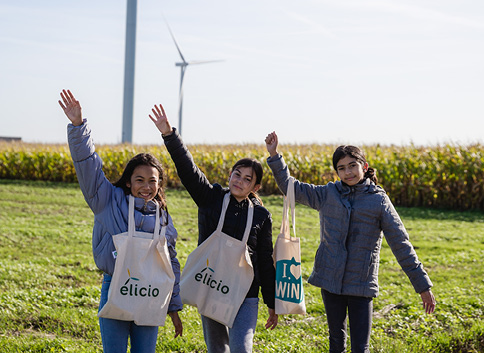
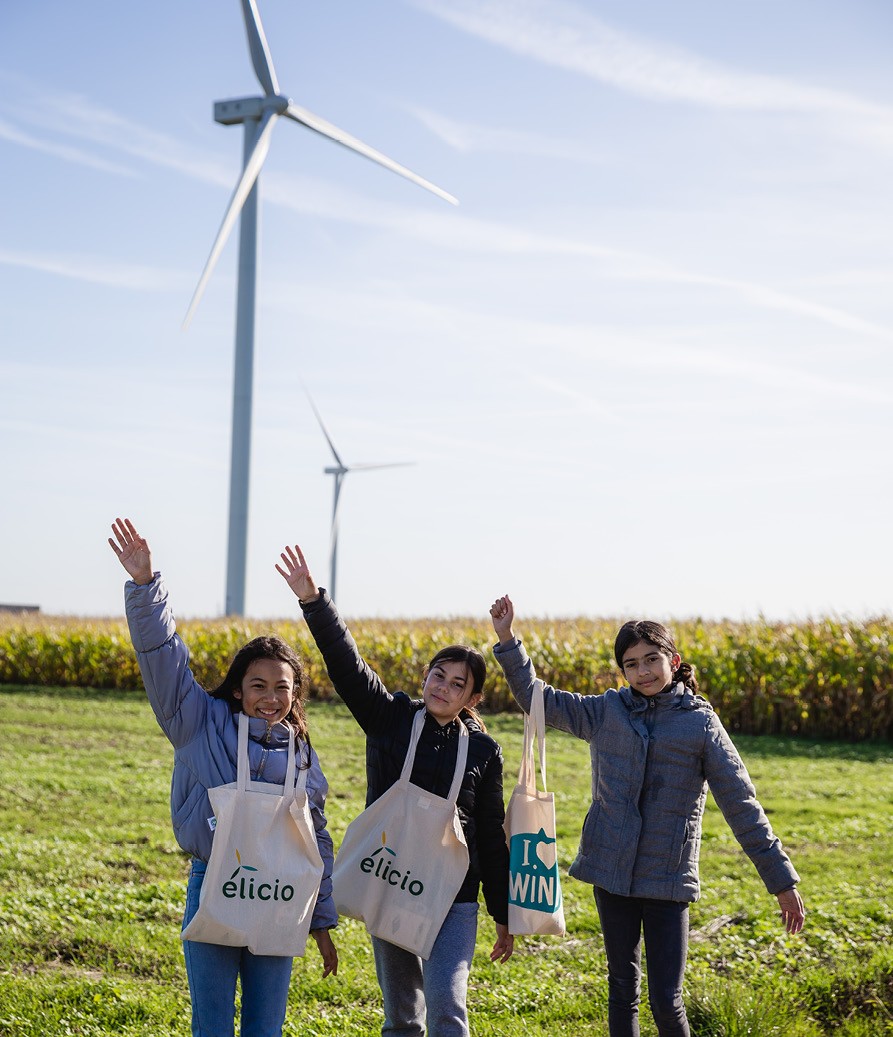
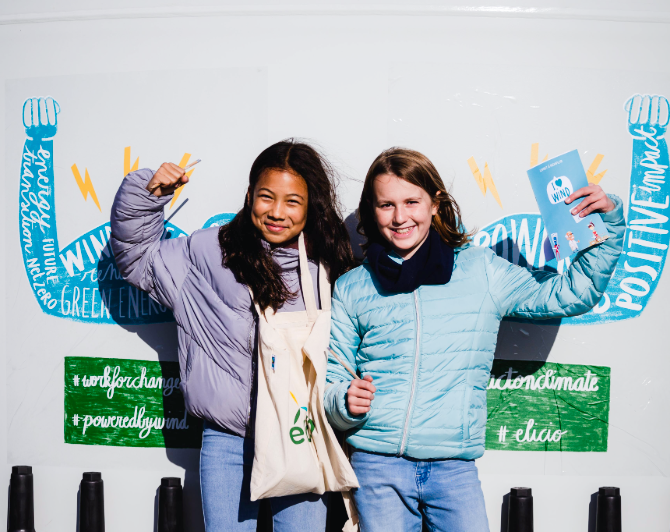
The energy transition starts early. Understanding wind energy today leads to better choices tomorrow. Not out of obligation, but because it makes sense. Through our educational tools and materials, we make wind energy accessible and tangible for children. Knowledge becomes insight. Insight becomes action.

Discover our educational tools